Strategy #1: What Are the Biggest Digital Marketing Trends in 2026?
"The most important digital marketing trends in 2026 are those that improve customer discovery, decision-making, measurement, and business growth."
– FT Nexavvy
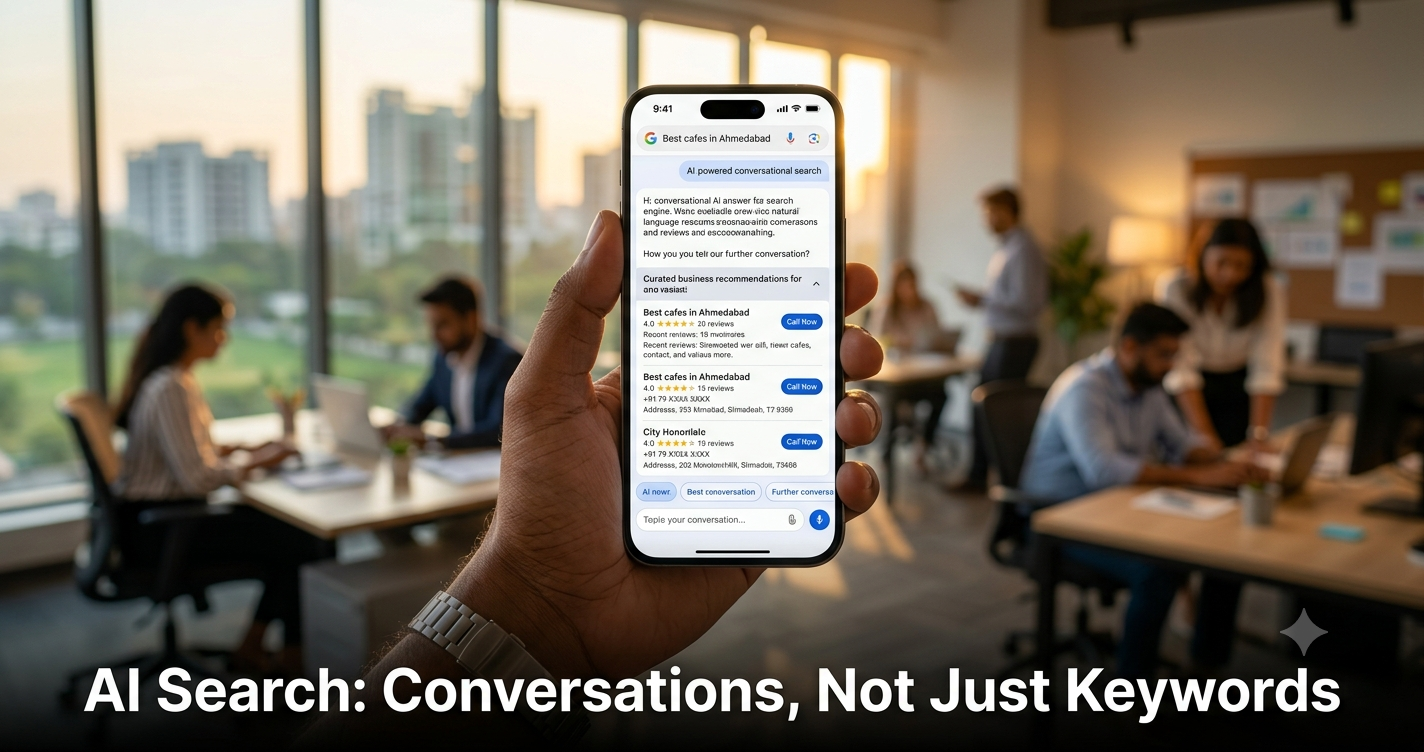
Strategy #2: Why Digital Marketing Trends Matter in 2026
- Discovery is changing: Customers can discover businesses through search engines, AI-generated answers, social media, videos, maps, and recommendations.
- Marketing execution is becoming automated: AI increasingly assists with campaign creation, bidding, targeting, creative production, and analysis.
- Measurement is evolving: Businesses need to understand visibility and influence across more complex customer journeys.
Strategy #3: How Digital Marketing Is Changing in 2026
Strategy #4: 1. AI-Powered Search Is Changing Customer Discovery

Focus on: Clear topic coverage, original expertise, accurate information, strong website structure, helpful answers, supporting evidence, relevant images and videos, and strong brand signals.
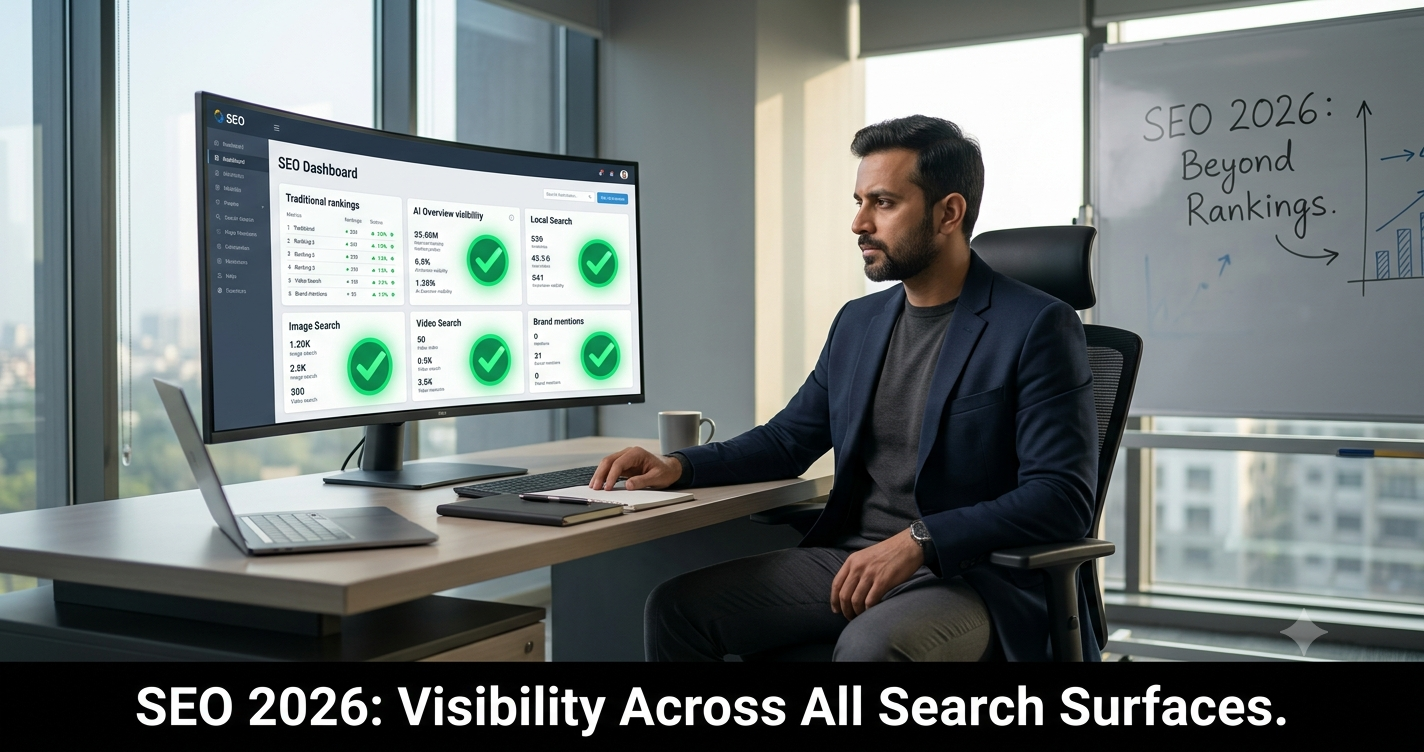
Strategy #5: 2. SEO Is Expanding Beyond Traditional Rankings

The focus is shifting from "How do we rank this keyword?" towards: "How do we become a trusted source for this topic?"
Strategy #6: 3. GEO and AEO Are Becoming Part of Search Discussions
Strategy #7: 4. Original Experience Is Becoming More Valuable
Do not use AI simply to create more content. Use AI to improve your workflow while adding more human expertise.
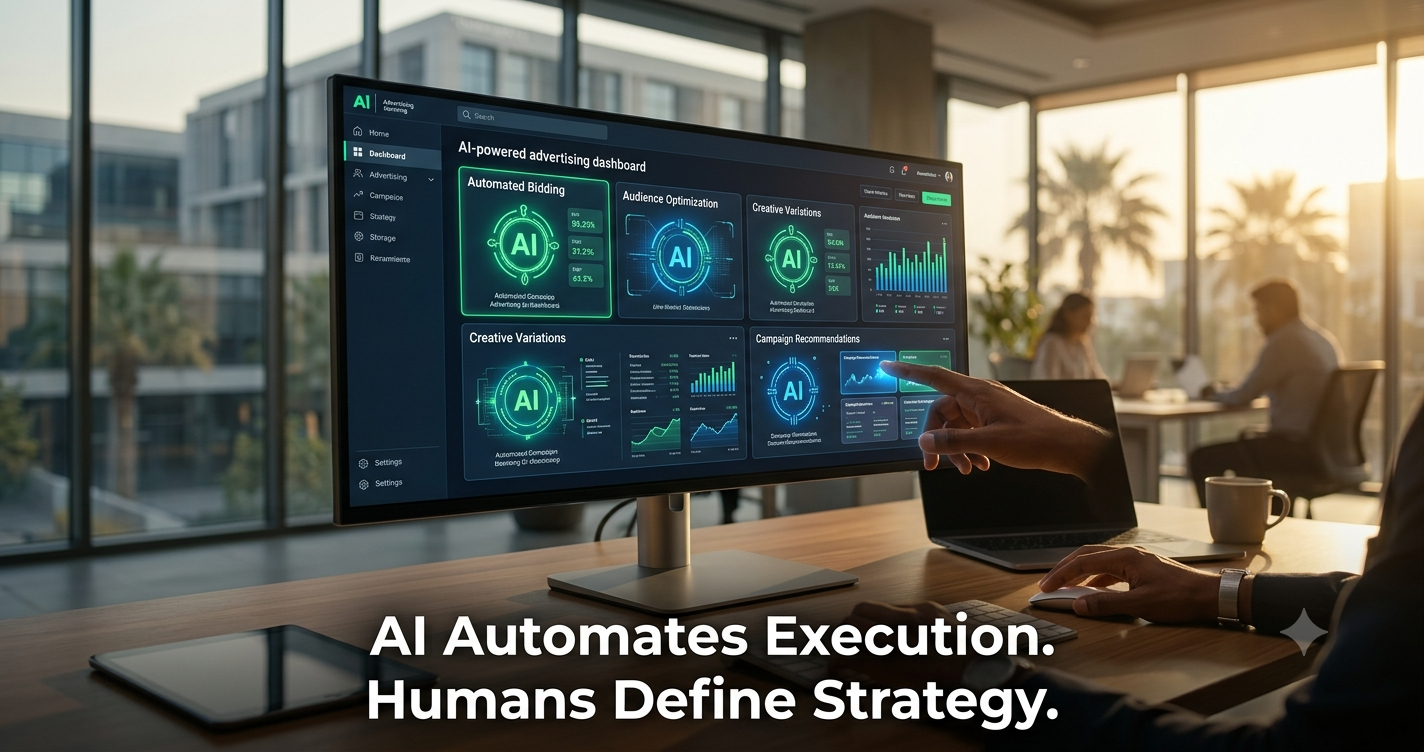
Strategy #8: 5. AI Is Becoming Embedded in Paid Advertising

Let machines optimize execution. Let humans define direction.
Strategy #9: 6. AI-Generated Ad Creative Is Expanding
Strategy #10: 7. First-Party Data Is Becoming More Important
Strategy #11: 8. Personalisation Is Becoming More Intelligent
Use customer data to improve relevance, not to create unnecessary surveillance.
Strategy #12: 9. Social Search Is Influencing Discovery
Strategy #13: 10. Short-Form Video Remains Important
Strategy #14: 11. Conversational Marketing Is Becoming Smarter
Automation for repetitive questions. Humans for complex decisions. This creates efficiency without sacrificing customer experience.
Strategy #15: 12. Omnichannel Customer Journeys Are Becoming Normal
Discover → Research → Compare → Convert → Retain. Different channels can support different stages.
Strategy #16: 13. Conversion Optimisation Is Becoming More Important
Strategy #17: 14. Marketing Automation Is Moving Beyond Email
Strategy #18: 15. Marketing Measurement Is Moving Beyond Simple Traffic
Strategy #19: Digital Marketing Trends 2026 Comparison Table
| Trend | Business Impact | Priority |
|---|---|---|
| AI Search | Changes discovery | Very High |
| Modern SEO | Expands search visibility | Very High |
| GEO/AEO Concepts | Supports AI discovery thinking | High |
| Original Content | Builds differentiation | Very High |
| AI Advertising | Improves automation | High |
| AI Creative | Speeds testing | High |
| First-Party Data | Strengthens customer ownership | Very High |
| Personalisation | Improves relevance | High |
| Social Search | Expands discovery | High |
| Short Video | Supports engagement | High |
| Conversational Marketing | Improves response | Medium-High |
| Omnichannel Marketing | Connects journeys | Very High |
| CRO | Improves conversion | Very High |
| Marketing Automation | Improves efficiency | High |
| Advanced Measurement | Improves decisions | Very High |

Strategy #20: Benefits of Adapting to Digital Marketing Trends

Better Customer Discovery
A broader search and content strategy can increase visibility across different platforms.More Efficient Campaign Management
AI and automation can reduce repetitive work.Improved Customer Experience
Personalisation and conversational tools can provide more relevant interactions.Better Conversion Performance
CRO can improve the value generated from existing traffic.Stronger Marketing Decisions
Better measurement can connect marketing activity with business outcomes.Strategy #21: How to Adapt Your Digital Marketing Strategy for 2026
- Step 1: Audit Your Digital Foundation – Review your website, analytics, SEO, content, advertising, and conversion tracking.
- Step 2: Understand Customer Discovery – Identify how customers currently find your business. Do not assume Google is the only discovery channel.
- Step 3: Strengthen SEO Fundamentals – Improve technical SEO, site structure, content quality, and internal linking.
- Step 4: Add Original Expertise – Create content based on experience, customer insights, and real examples.
- Step 5: Review AI Search Visibility – Understand how your brand and topics appear across emerging search experiences.
- Step 6: Improve First-Party Data – Build useful, consent-based customer relationships.
- Step 7: Test AI Automation – Use AI where it improves efficiency or decision-making.
- Step 8: Improve Conversion – Optimise landing pages before aggressively scaling traffic.
- Step 9: Connect Your Channels – Build consistent journeys across search, social, email, advertising, and websites.
- Step 10: Measure Business Outcomes – Connect marketing metrics with leads, customers, and revenue.
Strategy #22: Common Digital Marketing Mistakes in 2026
- Replacing strategy with AI tools.
- Publishing large volumes of generic AI content.
- Abandoning SEO because of AI search.
- Chasing every new platform.
- Automating poor marketing processes.
- Measuring only website traffic.
- Ignoring conversion rates.
- Depending entirely on paid advertising.
- Collecting customer data without clear purpose.
- Using personalisation without considering privacy.
- Creating content without original expertise.
- Ignoring brand authority.
- Scaling campaigns before fixing tracking.
Strategy #23: Expert Tips for 2026
Build a Brand, Not Just Rankings
Customers may encounter your business across many surfaces. Brand recognition can influence future decisions.Create Citation-Worthy Content
Publish information that other people would genuinely want to reference. Original data, frameworks, examples, and expert analysis can help.Strengthen Your Website
Your website remains an important digital asset. Keep it fast, useful, accessible, and conversion-friendly.Diversify Discovery
Avoid depending entirely on one source of traffic. Build visibility across relevant search, social, video, email, and local channels.Measure Quality
A smaller number of qualified customers can be more valuable than thousands of irrelevant visitors.Strategy #24: Digital Marketing Trends for Ahmedabad Businesses
- A healthcare provider may prioritise local SEO, trustworthy content, reviews, and conversational enquiry systems.
- A real estate company may combine search, Meta Ads, video, remarketing, and WhatsApp follow-ups.
- A manufacturer may focus on B2B SEO, expert content, lead generation, CRM automation, and first-party data.
- An ecommerce business may prioritise AI-assisted advertising, product content, personalisation, email automation, and conversion optimisation.
Strategy #25: Frequently Asked Questions
Major trends include AI-powered search, evolving SEO, automated advertising, AI creative, first-party data, personalisation, social search, video, automation, and advanced measurement.
Yes. Strong SEO fundamentals remain important for organic visibility and AI-powered search experiences.
It refers to improving content and website visibility within search experiences that use generative AI while maintaining strong SEO foundations.
GEO commonly means Generative Engine Optimisation, a term used for strategies focused on visibility within generative AI answer experiences.
AEO commonly means Answer Engine Optimisation, which focuses on making information clear and useful for answer-focused search experiences.
AI is changing search, but it has not removed the need for technical accessibility, useful content, authority, and strong website experiences.
AI can automate many tasks, but strategy, creativity, judgement, positioning, and customer understanding still require significant human input.
AI increasingly supports campaign optimisation, bidding, targeting, creative generation, and performance analysis.
AI and automation increasingly support audience optimisation, campaign management, and creative variation across Meta's advertising products.
AI can support content creation, but quality depends on the final output. Generic, inaccurate, or low-value content is unlikely to create sustainable advantages.
First-party data is information a business collects directly through its own customer interactions, such as website forms, purchases, subscriptions, and CRM records.
Yes. Short videos can support education, product discovery, brand awareness, and engagement when they provide genuine value.
Social search refers to people using social platforms to discover information, products, recommendations, reviews, and businesses.
Improving conversion rates can help businesses generate more value from existing traffic before increasing acquisition spending.
Omnichannel marketing connects customer experiences across multiple online and offline touchpoints.
Strategy #26: Conclusion
Ready to Build Your Connected Marketing Strategy?
Read Related Articles: