FT Nexavvy LogoCONTACT US
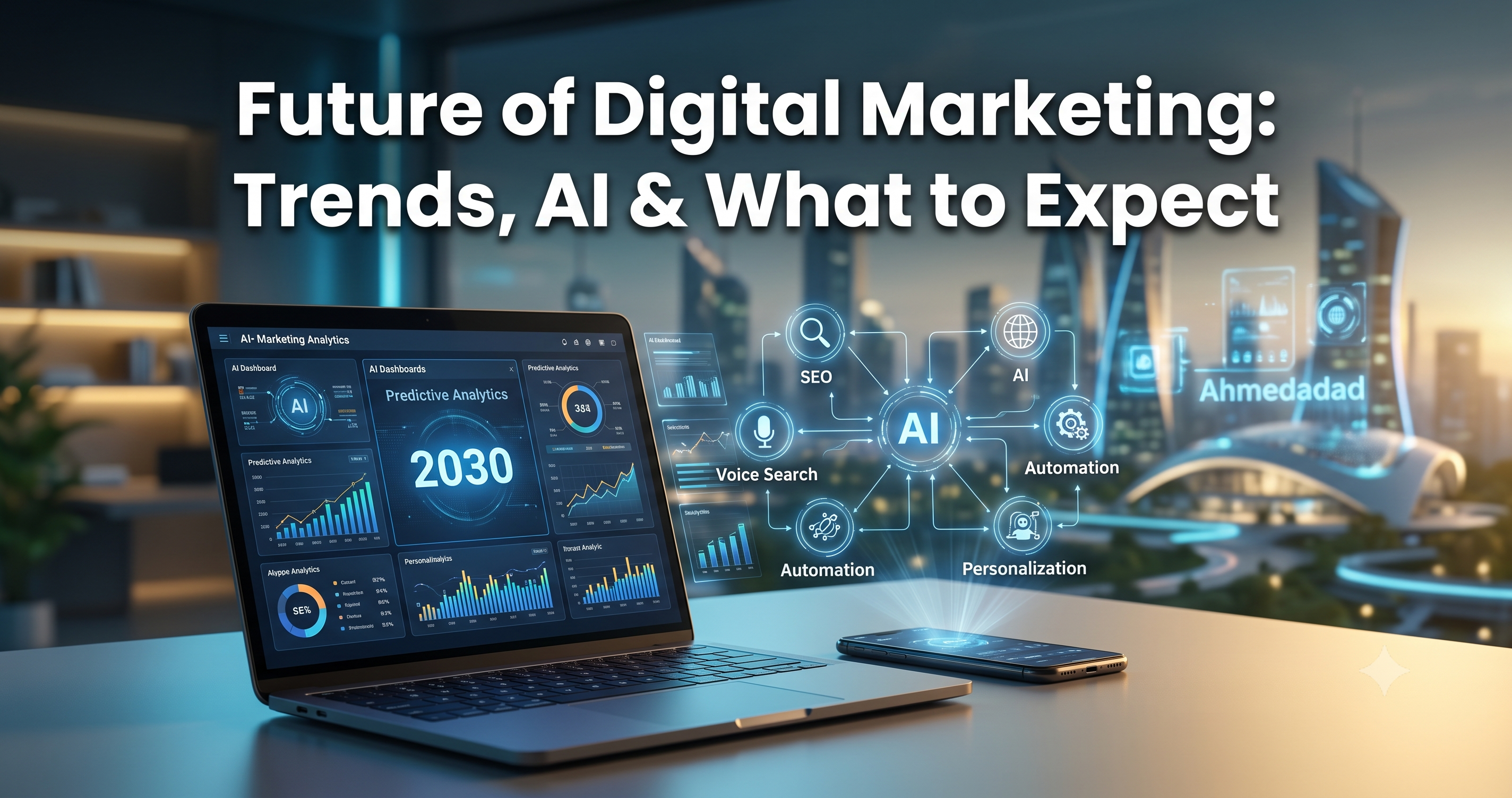
Future of digital marketing featuring AI, predictive analytics, SEO, marketing automation, voice search, personalization, and data-driven marketing trends for business growth by FT Nexavvy Private Limited.

Future of Digital Marketing: Top Trends, AI Innovations & What Businesses Should Expect

Comprehensive guide and insights about SEO Strategies: Future of Digital Marketing: Top Trends, AI Innovations & What Businesses Should Expect

Recent15 MIN Read    BYFT Nexavvy
Digital marketing has never stood still. Over the last decade, businesses have witnessed major shifts—from desktop browsing to mobile-first experiences, traditional SEO to AI-powered search, and manual advertising to automated campaign optimization.
Today, technologies like artificial intelligence, predictive analytics, voice search, automation, and personalized customer experiences are changing how brands connect with customers. Businesses that adapt to these changes can improve visibility, generate better-quality leads, and create stronger customer relationships.
The future of digital marketing is not about replacing people with AI. Instead, it is about combining human creativity, data-driven decision-making, and intelligent technology to deliver more relevant experiences at every stage of the customer journey.
Whether you run a startup, an ecommerce store, a healthcare clinic, a real estate company, or a local business in Ahmedabad, understanding these upcoming trends will help you prepare for the next generation of online marketing.
In this guide, you'll learn the technologies, strategies, and marketing approaches expected to shape digital marketing over the coming years—and how your business can stay competitive in an increasingly AI-driven world.

Strategy #1: What Is the Future of Digital Marketing?

The future of digital marketing will be driven by artificial intelligence, automation, first-party data, predictive analytics, personalized customer experiences, voice and visual search, and privacy-focused marketing. Businesses will rely less on guesswork and more on real-time data to deliver the right message to the right audience through SEO, paid advertising, social media, email marketing, and content marketing.

Why This Topic Matters

Digital marketing evolves faster than almost any other business function. New platforms emerge, customer expectations shift, search engines update their algorithms, and AI continues to reshape how people discover information online. What worked just a few years ago may no longer deliver the same results today.
Understanding future trends helps businesses make smarter long-term decisions rather than constantly reacting to change. Here is why this topic is important:
  • AI-powered search is changing how users find businesses.
  • Search engines increasingly reward helpful, experience-based content.
  • Privacy regulations are reducing dependence on third-party cookies.
  • Customers expect personalized experiences across every digital channel.
  • Automation is becoming essential for scaling marketing efficiently.
  • Data-driven decisions are replacing intuition-based marketing.
  • Businesses adopting new technologies early often gain a competitive advantage.
Instead of chasing every new trend, organizations should focus on adopting technologies that improve customer experience, marketing efficiency, and measurable business outcomes.

"The future of digital marketing is not about replacing people with AI. Instead, it is about combining human creativity, data-driven decision-making, and intelligent technology to deliver more relevant experiences at every stage of the customer journey."

FT Nexavvy

Strategy #2: Understanding the Future of Digital Marketing

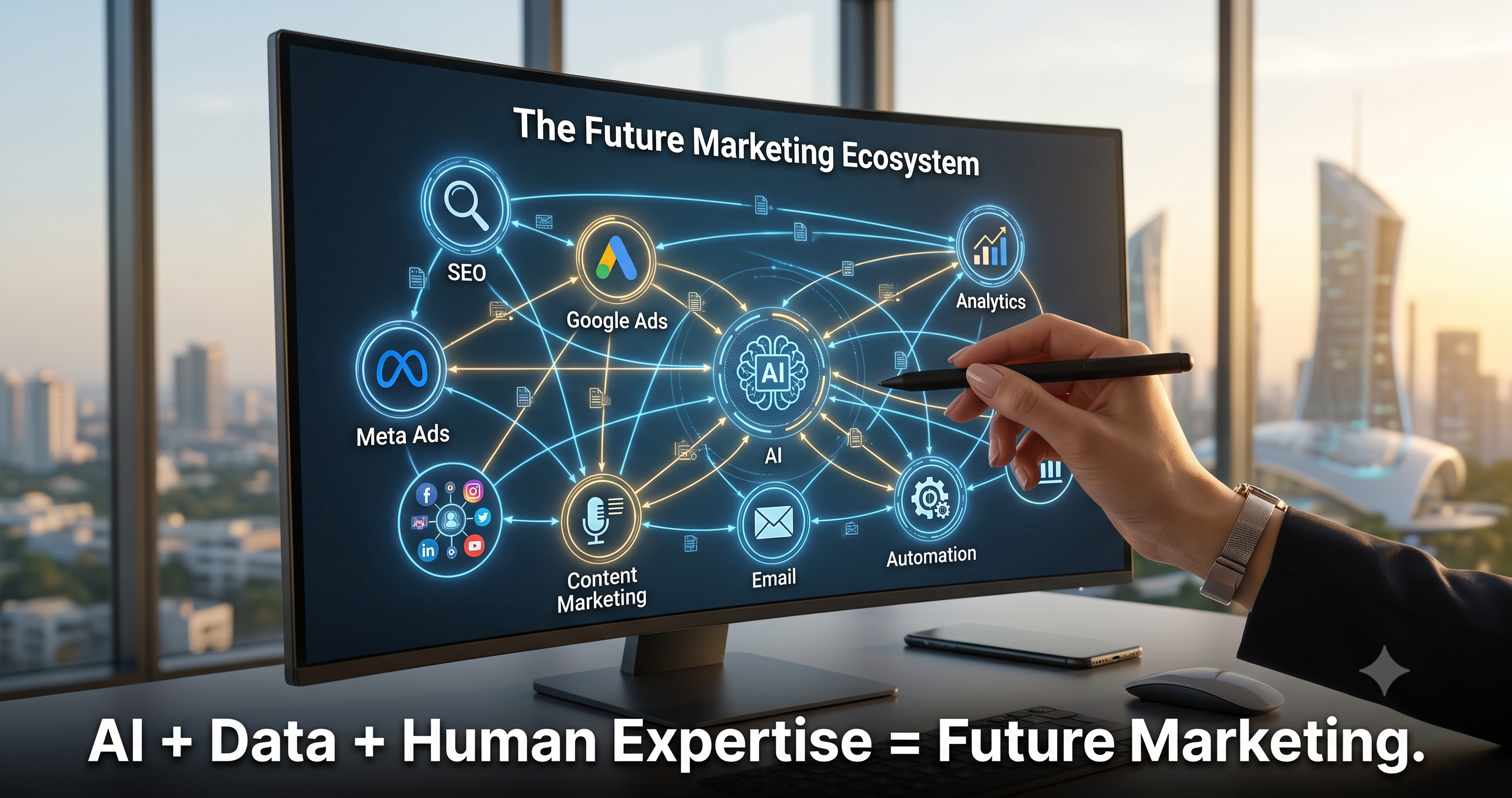
AI-powered digital marketing ecosystem connecting SEO, Google Ads, Meta Ads, content marketing, email marketing, analytics, automation, and artificial intelligence to drive business growth by FT Nexavvy Private Limited.
The future of digital marketing is not defined by a single technology. It is the result of several innovations working together to create more intelligent, personalized, and measurable marketing strategies.
Modern marketing combines human expertise with AI-powered tools to understand customer behavior, predict buying intent, and optimize campaigns in real time.
In simple terms: Future digital marketing means delivering the right content, to the right person, through the right channel, at the right time using data, automation, and artificial intelligence.
Unlike traditional marketing, future-focused digital marketing continuously learns from customer interactions and adapts campaigns automatically.

The Future Marketing Ecosystem

Instead of treating marketing channels separately, successful businesses integrate them into one connected ecosystem. This includes:
  • Search Engine Optimization (SEO)
  • Google Ads
  • Meta Ads
  • Performance Marketing
  • Website Development
  • Content Marketing
  • Local SEO
  • Email Marketing
  • Marketing Automation
  • CRM Integration
  • Analytics Platforms
  • Artificial Intelligence Tools
Each channel shares customer insights, allowing businesses to deliver consistent experiences across websites, search engines, social media, and email.

Strategy #3: What Will Shape the Future of Digital Marketing?

Several technologies and consumer behavior changes are transforming how businesses market their products and services.

1. Artificial Intelligence Becomes a Daily Marketing Assistant

AI is no longer limited to large enterprises. Businesses now use AI for content research, campaign optimization, audience segmentation, customer support, predictive analytics, ad copy suggestions, email personalization, and performance forecasting. However, AI works best when guided by experienced marketers who understand business goals and customer intent.

2. Search Is Becoming More Conversational

People no longer search using only short keywords. Instead, they ask complete questions like:
  • Which digital marketing strategy works for local businesses?
  • How can AI improve SEO?
  • What is the best marketing channel for a startup?
This shift means businesses need content that directly answers user questions in clear, natural language. Well-structured articles, FAQ sections, and topic-focused content are becoming increasingly important.

3. Customer Experience Is the New Competitive Advantage

Modern customers compare brands based on experience—not just price. Businesses that provide faster websites, helpful content, personalized recommendations, simple navigation, and quick customer support are more likely to earn trust and long-term loyalty. Digital marketing is becoming less about selling and more about solving customer problems.

4. Data Will Drive Better Marketing Decisions

Future marketing strategies will rely on real-time data rather than assumptions. Businesses can now measure website traffic, user engagement, conversion rates, customer lifetime value, return on ad spend (ROAS), cost per acquisition (CPA), search visibility, and local search performance. These insights help marketers continuously improve campaigns instead of waiting for monthly reports.

5. Privacy Will Influence Marketing Strategies

Customers are becoming more aware of how their data is collected and used. As third-party cookies phase out, businesses will increasingly depend on:
  • First-party customer data
  • Email subscribers
  • CRM systems
  • Loyalty programs
  • Consent-based tracking
  • Transparent privacy practices
Building trust will become just as important as generating traffic.

Strategy #4: Key Trends Shaping the Future of Digital Marketing

The coming years will bring significant changes across every digital marketing channel. Businesses that understand these trends early can adapt faster and create long-term competitive advantages.

AI-Powered Content Creation

AI can assist marketers with research, outlines, content optimization, and campaign ideas. However, successful content will still require human expertise, original insights, industry experience, fact verification, brand voice, and helpful recommendations. The strongest content will combine AI efficiency with human creativity.

AI Search and Answer Engines

Users are increasingly getting answers directly from AI-powered search experiences rather than clicking multiple websites. To remain visible, businesses should create content that is well-structured, factally accurate, easy to scan, question-focused, supported by experience, and rich with semantic context. This approach improves visibility across both traditional search engines and AI-driven platforms.

Hyper-Personalization

Future marketing campaigns will adapt based on user interests, purchase history, location, device, search behavior, and engagement patterns. Instead of sending the same message to everyone, businesses will deliver tailored experiences that improve engagement and conversions.

Automation Across Marketing Channels

Automation is simplifying repetitive marketing tasks such as email sequences, lead nurturing, customer onboarding, social media scheduling, ad optimization, and performance reporting. This allows marketing teams to focus more on strategy, creativity, and customer relationships.

Video-First Marketing

Short-form and educational video content continues to influence buying decisions across industries. Businesses are investing more in product demonstrations, customer testimonials, educational videos, behind-the-scenes content, live sessions, and expert interviews. Video helps explain complex topics quickly while building credibility and trust.

Predictive Analytics

Instead of reacting to past performance, businesses are beginning to forecast future outcomes using AI and historical data. Predictive analytics can help marketers estimate customer demand, identify high-value audiences, reduce advertising waste, improve conversion rates, and optimize campaign budgets. This proactive approach supports smarter business decisions and more efficient marketing investments.

Strategy #5: Benefits of the Future of Digital Marketing

The future of digital marketing is not just about adopting new technologies. It is about building smarter, more efficient strategies that create better customer experiences and measurable business growth. Here are some of the biggest benefits businesses can expect:

1. Better Customer Personalization

Modern marketing tools analyze customer behavior, interests, and preferences to deliver more relevant experiences. Personalization improves engagement and increases the likelihood of conversions.

2. Smarter Marketing Decisions

Instead of relying on assumptions, businesses can use real-time data to understand what works. This helps marketers allocate budgets effectively, improve campaign performance, identify high-performing channels, and reduce unnecessary spending.

3. Higher Marketing Efficiency

Automation reduces repetitive tasks and allows teams to focus on strategy and creativity.

4. Improved Customer Experience

Customers now expect fast, relevant, and seamless digital interactions. Businesses that invest in better user experiences often see higher engagement, lower bounce rates, more repeat customers, and increased trust.

5. Stronger Competitive Advantage

Businesses that adopt emerging technologies early often adapt faster to changing customer behavior. Staying updated helps brands remain competitive in an increasingly digital marketplace.

6. Better Return on Marketing Investment

AI and analytics help optimize campaigns continuously. Instead of spending more, businesses learn where to invest for maximum results.

Strategy #6: AI in Digital Marketing

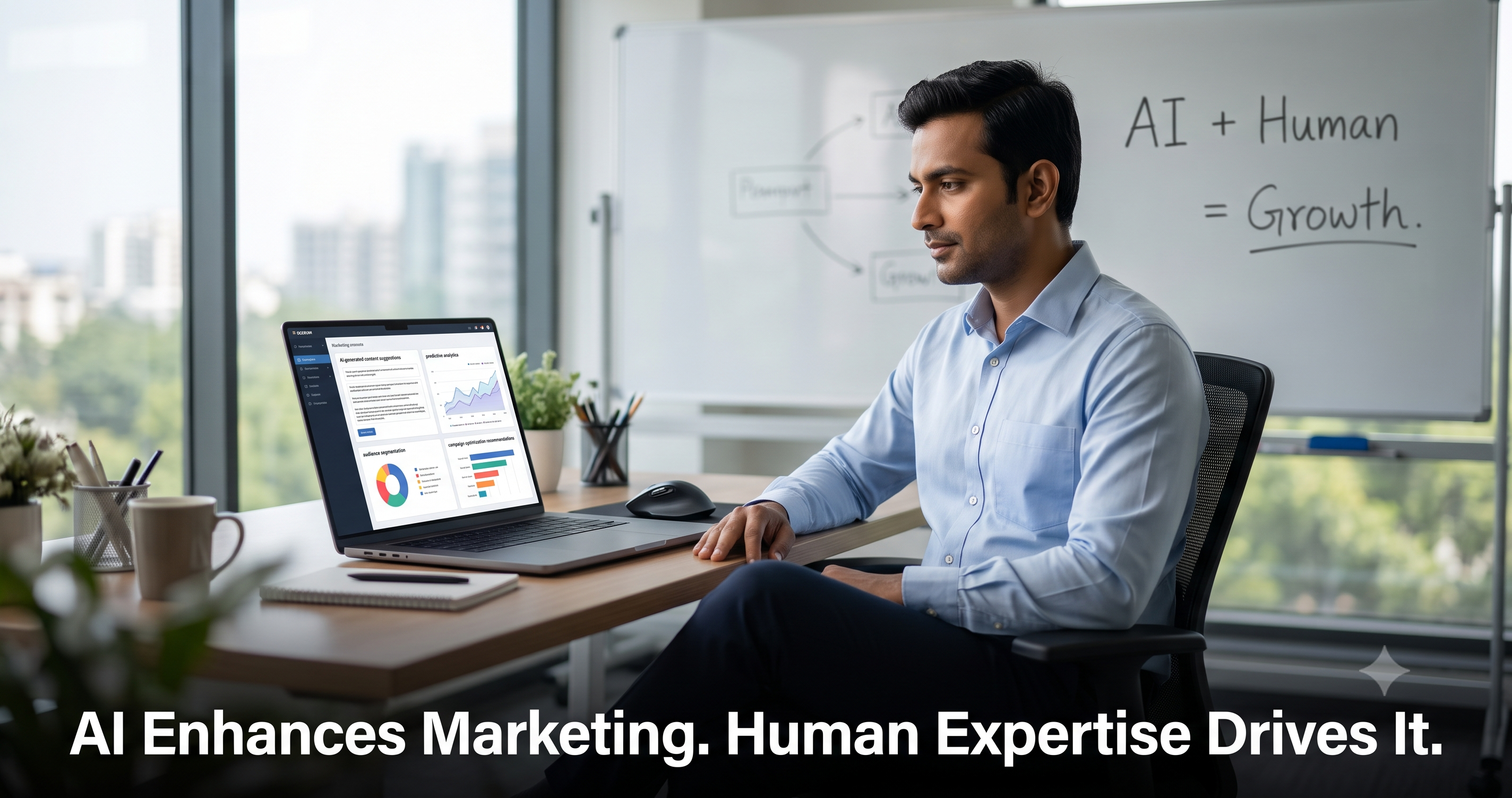
AI-powered digital marketing strategy combining artificial intelligence, human expertise, predictive analytics, content optimization, and marketing insights to drive sustainable business growth by FT Nexavvy Private Limited.
Artificial Intelligence is becoming one of the most influential technologies in modern marketing. Rather than replacing marketers, AI enhances productivity by handling repetitive tasks, analyzing large datasets, and providing actionable insights. The most successful businesses combine AI tools with human creativity and strategic thinking.

How AI Is Transforming Digital Marketing

Content Research and Planning

AI helps marketers identify trending topics, customer questions, content gaps, keyword opportunities, and search intent. This speeds up content planning while keeping it aligned with user needs.

Smarter Content Creation

AI can assist with blog outlines, product descriptions, email drafts, social media captions, and advertisement copy. Human review remains essential to ensure originality, accuracy, and brand consistency.

AI-Powered Advertising

Advertising platforms increasingly use machine learning to improve campaign performance. AI helps optimize audience targeting, bid strategies, budget allocation, creative testing, and conversion tracking.

Customer Support Automation

AI-powered chatbots and virtual assistants can answer common customer questions around the clock, providing faster responses, improved customer satisfaction, reduced support workload, and better lead qualification.

Predictive Analytics

AI can identify patterns within customer data to forecast future behavior. Businesses use predictive analytics to predict purchase intent, reduce customer churn, recommend products, and forecast campaign performance.

AI Should Support, Not Replace, Expertise

Although AI offers significant advantages, successful marketing still depends on business understanding, customer empathy, strategic thinking, creativity, and ethical decision-making. Technology is a tool—not a complete marketing strategy.

Strategy #7: Future of SEO and Digital Marketing

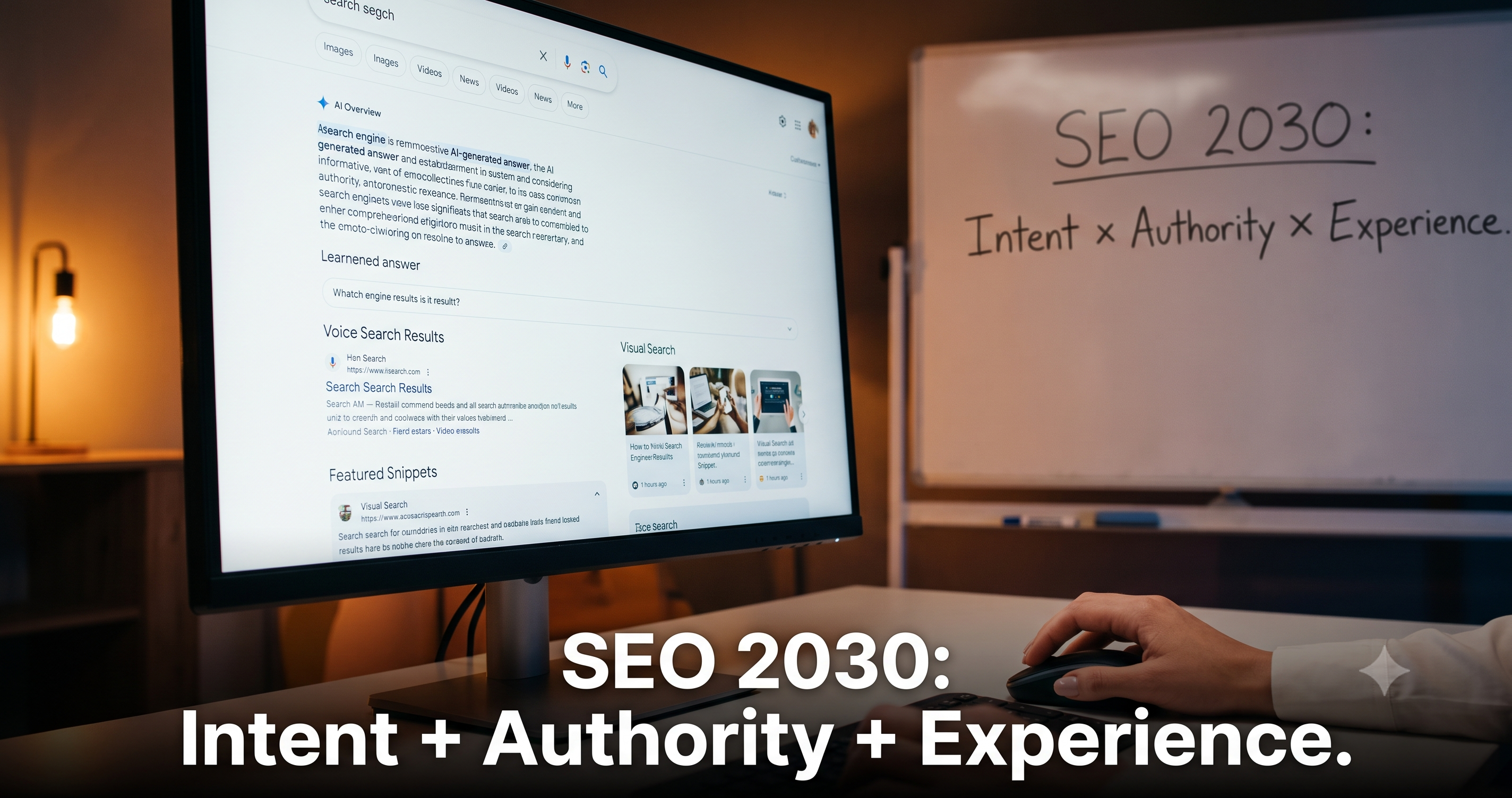
SEO 2030 strategy illustrating AI-powered search, search intent optimization, topical authority, user experience, Google AI Overviews, voice search, and future SEO trends by FT Nexavvy Private Limited.
SEO is evolving beyond keyword optimization. Search engines increasingly prioritize user experience, content quality, expertise, and intent. Future SEO strategies will focus on delivering the best possible answer rather than simply ranking for keywords.

Search Intent Will Matter More

Search engines are becoming better at understanding why users search. Businesses should create content that answers real questions instead of targeting isolated keywords.

AI Search Experiences

AI-powered search platforms summarize information directly within search results. To improve visibility, businesses should create content that is well-structured, fact-based, easy to understand, and supported by practical experience.

Topic Authority Over Individual Keywords

Publishing one article is no longer enough. Businesses should build comprehensive topic clusters covering beginner questions, advanced guides, comparisons, case studies, industry trends, and FAQs. This strengthens overall authority within a subject.

User Experience Will Continue to Grow

Future SEO will depend heavily on fast-loading websites, mobile optimization, clear navigation, secure browsing, helpful content, and positive engagement signals. A great website experience supports both rankings and conversions.

Local SEO Will Become Smarter

Businesses targeting local customers should continue investing in Google Business Profile optimization, local landing pages, customer reviews, location-based content, and consistent business information.

Strategy #8: Digital Marketing in 2030

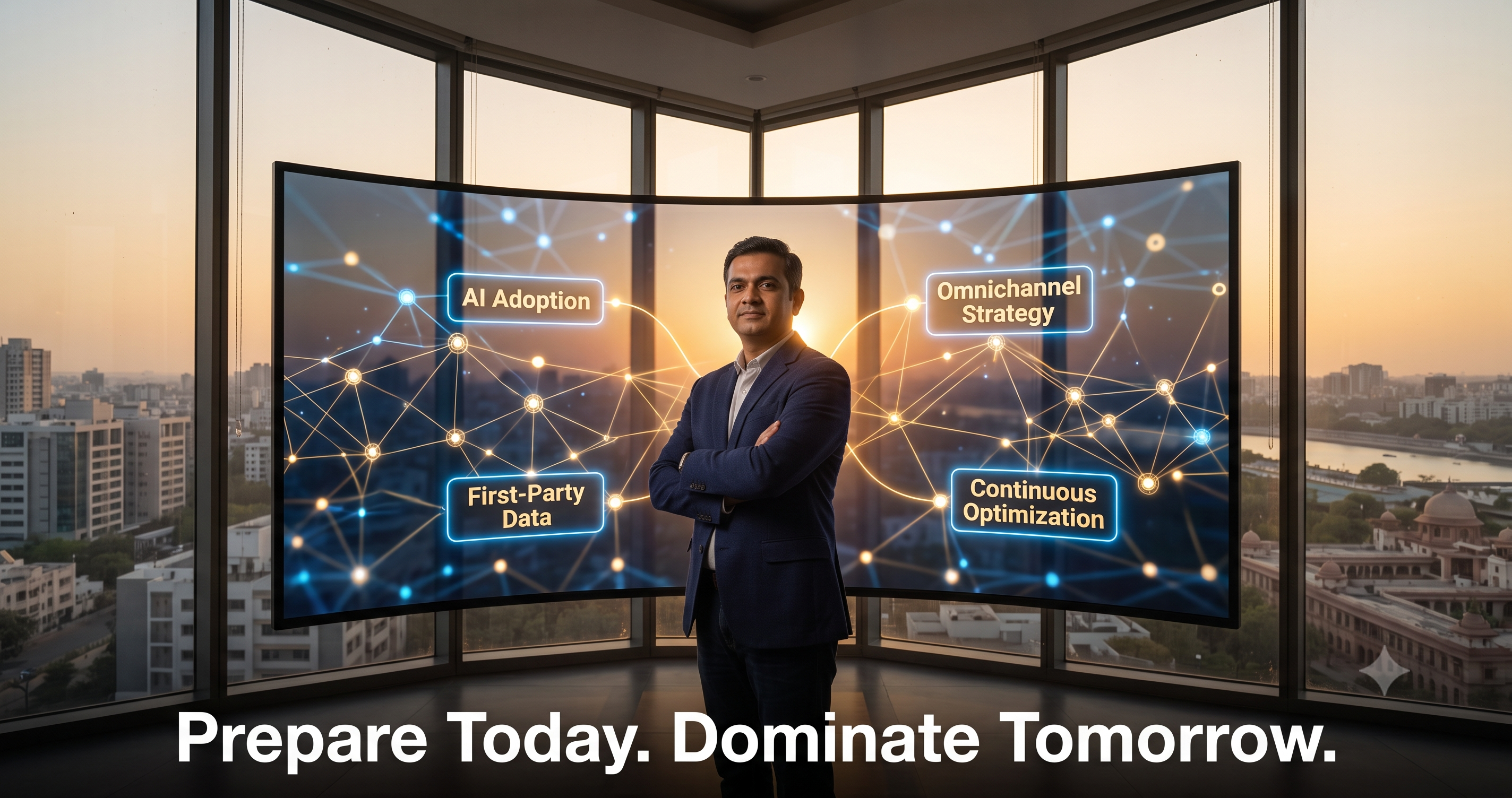
Future of digital marketing highlighting AI adoption, first-party data, omnichannel marketing strategy, continuous optimization, and business growth by FT Nexavvy Private Limited.
Although predicting the future is never exact, several trends are already shaping what digital marketing may look like by 2030.

1. AI Will Become a Standard Business Tool

AI will support nearly every marketing function, including customer insights, campaign management, content recommendations, marketing automation, and performance forecasting. Businesses that learn to work alongside AI will gain a competitive advantage.

2. Voice and Visual Search Will Expand

Consumers increasingly search using voice assistants and image recognition tools. Content should answer conversational questions and include descriptive visuals to improve discoverability.

3. First-Party Data Will Be Essential

Privacy regulations will encourage businesses to build stronger relationships with their audiences. This means focusing on email subscribers, customer communities, loyalty programs, CRM systems, and permission-based marketing.

4. Omnichannel Marketing Will Become Standard

Customers expect a consistent experience across every platform. Successful businesses will integrate websites, search engines, social media, email, mobile apps, and offline interactions. Instead of managing separate channels, marketers will create one connected customer journey.

5. Human Trust Will Become More Valuable

As AI-generated content becomes more common, authentic expertise and genuine customer experiences will become stronger differentiators. Brands that demonstrate credibility and transparency will build lasting customer relationships.

Strategy #9: Step-by-Step Process to Prepare for the Future

Businesses do not need to adopt every new technology immediately. A structured approach delivers better long-term results.

Step 1: Evaluate Your Current Digital Presence

Review website performance, SEO visibility, advertising campaigns, content quality, social media activity, and analytics data to identify strengths and improvement opportunities.

Step 2: Understand Your Audience

Study customer behavior using Google Analytics, Search Console, CRM insights, customer feedback, and sales data.

Step 3: Invest in High-Quality Content

Create content that answers customer questions throughout the buying journey, focusing on educational articles, service pages, videos, FAQs, and case studies.

Step 4: Introduce AI Gradually

Use AI to improve efficiency, not replace your marketing strategy. Start with content research, automation, data analysis, and campaign optimization, maintaining human oversight for quality and accuracy.

Step 5: Measure and Improve Continuously

Track key performance indicators such as organic traffic, lead generation, conversion rate, cost per lead, customer retention, and return on investment.

Strategy #10: Comparison Table: Traditional vs Future Digital Marketing

Traditional Digital MarketingFuture Digital Marketing
Manual campaign managementAI-assisted campaign optimization
Broad audience targetingPersonalized audience experiences
Limited customer insightsReal-time predictive analytics
Keyword-focused SEOTopic authority and search intent optimization
Generic email campaignsBehavior-based email automation
Separate marketing channelsConnected omnichannel strategy
Historical reportingReal-time performance monitoring
Reactive marketing decisionsPredictive, data-driven planning
One-size-fits-all messagingPersonalized customer journeys
Periodic optimizationContinuous AI-supported optimization

Strategy #11: Practical Examples

Example 1: Local Healthcare Clinic

A healthcare clinic creates educational content answering common patient questions, optimizes its Google Business Profile, and uses AI to schedule follow-up emails.
Result: Higher local visibility, increased appointment bookings, and improved patient engagement.

Example 2: Ecommerce Store

An online retailer uses AI to recommend products based on customer browsing behavior and automates abandoned cart emails.
Result: Better customer experience, higher conversion rates, and increased repeat purchases.

Example 3: Real Estate Company

A real estate business combines SEO, local landing pages, video property tours, and predictive advertising to attract qualified buyers.
Result: More relevant leads, lower advertising costs, and stronger brand visibility.

Example 4: Manufacturing Business

A manufacturing company publishes technical guides, case studies, and industry insights while using marketing automation to nurture B2B enquiries.
Result: Improved search rankings, higher-quality leads, and shorter sales cycles.

Example 5: Local Business in Ahmedabad

A service-based business in Ahmedabad integrates SEO, Google Ads, Meta Ads, Local SEO, content marketing, and AI-powered analytics into a unified strategy. By tracking customer behaviour and continuously refining campaigns, the business reaches nearby audiences more effectively and improves lead quality.
Result: Greater online visibility, more qualified enquiries, improved marketing efficiency, and sustainable business growth in a competitive local market.

Strategy #12: Common Mistakes to Avoid

Many businesses invest in digital marketing but struggle to achieve consistent results. In most cases, the problem is not the technology—it is the strategy behind it.

1. Depending Too Much on AI

AI can speed up research and content creation, but publishing AI-generated content without human review often reduces quality and trust. Always add expert insights, real examples, and original opinions.

2. Ignoring Customer Intent

Some businesses focus only on keywords instead of understanding what users actually want. Create content that answers questions, solves problems, and guides customers toward informed decisions.

3. Chasing Every New Trend

Not every new platform or technology will benefit your business. Adopt trends that align with your goals, audience, and available resources.

4. Neglecting Website Experience

Even the best marketing campaigns cannot compensate for a slow or poorly designed website. Focus on fast loading speed, mobile responsiveness, clear navigation, strong calls-to-action, and secure browsing.

5. Working in Marketing Silos

Running SEO, Google Ads, content marketing, and social media separately often creates inconsistent messaging. A unified strategy delivers better customer experiences and stronger results.

6. Measuring Only Traffic

High website traffic does not always translate into business growth. Track metrics such as qualified leads, conversion rate, cost per acquisition, customer retention, and return on marketing investment.

Strategy #13: Expert Tips for Staying Ahead

After years of digital marketing evolution, one lesson remains consistent—businesses that adapt strategically outperform those that simply react to trends.
  • Prioritize Helpful Content: Create resources that genuinely answer customer questions instead of writing only for search engines.
  • Build Topic Authority: Publish connected content around one subject rather than isolated articles. For example, cover SEO, Google Ads, Local SEO, AI marketing, analytics, branding, and automation in depth.
  • Invest in First-Party Data: Encourage customers to subscribe to newsletters, download guides, or join your community to reduce dependence on third-party platforms.
  • Combine AI with Human Expertise: AI improves efficiency, but human experience builds trust. Always review AI-generated content for accuracy, brand voice, practical insights, and industry relevance.
  • Continuously Test and Improve: Regularly evaluate landing pages, advertisement creatives, website performance, conversion funnels, and content engagement.

Strategy #14: Frequently Asked Questions

The future of digital marketing will focus on AI, automation, personalization, first-party data, and customer-centric experiences while maintaining the importance of human expertise.

No. AI will automate repetitive tasks, but strategy, creativity, relationship building, and business understanding will continue to require human expertise.

Yes. SEO will remain essential, but it will focus more on search intent, topical authority, user experience, and high-quality content.

AI helps search engines understand context and user intent more accurately, encouraging businesses to create genuinely helpful content instead of keyword-focused pages.

Important skills include SEO, content marketing, analytics, AI tools, paid advertising, marketing automation, conversion optimization, and data interpretation.

Yes. Paid advertising will continue evolving with AI-powered bidding, audience targeting, and campaign optimization.

First-party data is information collected directly from your customers through your website, CRM, email subscriptions, and customer interactions.

Start by improving your website, creating quality content, investing in SEO, using analytics, and gradually adopting AI-powered tools.

Healthcare, ecommerce, education, finance, real estate, manufacturing, SaaS, and local service businesses can all benefit from AI-assisted marketing.

Absolutely. Helpful content remains one of the most effective ways to build trust, improve SEO, and attract qualified leads.

Local SEO will become even more valuable as customers continue searching for nearby products and services through Google Search and Google Maps.

Analytics helps businesses understand customer behavior, measure campaign performance, and make informed marketing decisions.

Omnichannel marketing creates a consistent customer experience across websites, search engines, email, social media, and offline interactions.

Review key performance metrics monthly and conduct a comprehensive strategy evaluation every quarter to adapt to market changes.

Technology, search algorithms, and customer behavior change rapidly. Businesses that continue learning and adapting are better positioned for long-term success.

Strategy #15: Conclusion

The future of digital marketing is not defined by a single technology or platform. It is shaped by how businesses combine artificial intelligence, data, customer insights, and human expertise to create meaningful digital experiences.
Rather than chasing every new trend, successful organizations will focus on building strong digital foundations. That means creating helpful content, improving website experiences, investing in SEO, using analytics effectively, and adopting AI where it genuinely adds value.
Businesses that start preparing today will be better equipped to adapt to changing customer expectations, evolving search technologies, and increasing competition over the coming years.
Whether you are a startup, an established enterprise, or a local business in Ahmedabad, embracing continuous improvement is the most reliable strategy for sustainable digital growth.

Ready to Plan for the Future?

Embracing continuous improvement is the most reliable strategy for sustainable digital growth in the years to come.
If you're looking for a complete strategy that combines SEO, Google Ads, Meta Ads, website optimisation, content marketing, analytics, and performance marketing, explore our Digital Marketing Agency in Ahmedabad services to build a scalable and measurable growth plan.

Read Related Articles:

Branding

Affordable Digital Marketing Services in Ahmedabad: Grow Your Business

Branding

Best Digital Marketing Agency in Ahmedabad: Complete Guide to Choosing the Right Growth Partner (2026)

Author

FT Nexavvy

FT Nexavvy

Digital Marketing Expert at FT Nexavvy.

InstagramFacebookTwitterLinkedIn

ON THIS PAGE

Related Articles

Have a Project?
Let’s talk!

green tick

NDA? Absolutely just ask.

green tick

We’ll respond in 24 hours fast & focused.

green tick

Work with senior UX experts, not juniors.

Schedule a call:

Mr Panchal

Founder & CEO

How can we help you?

Send Message

Prefer email?

hello@ftnexavvy.com

UI/UX DESIGN
WEBSITE DESIGN
BRANDING
GOOGLE ADS
SEO
SOCIAL MEDIA MARKETING
UI/UX DESIGN
WEBSITE DESIGN
BRANDING
GOOGLE ADS
SEO
SOCIAL MEDIA MARKETING
UI/UX DESIGN
WEBSITE DESIGN
BRANDING
GOOGLE ADS
SEO
SOCIAL MEDIA MARKETING
FT Nexavvy Logo

DIGITAL MARKETING AGENCY IN AHMEDABAD

ISO Certification Badge

Working Hours

Monday – Saturday 9:00 am – 6:00 pm ( Sunday > Closed )

Use Cases

Travel

Health & Fitness

Educations

News App

Food Order & Delivery App

Work inquiries

Interested in working with us?
hello@ftnexavvy.com

Call : +91 90303 48383

Ahmedabad Office:
A-531, Money Plant High Street,
Gota, Ahmedabad - 382470

Career

Looking for a job opportunity?
See open positions

Sign up for the newsletter

flag-1flag-2flag-3flag-4flag-5flag-6flag-7flag-8flag-9flag-10

Disclaimer

FT NEXAVVY PRIVATE LIMITED (CIN:U62011GJ2025PTC168186) is a registered company under the Companies Act, 2013.
We operate with GST (GSTIN:24AAGCF6405M1ZJ), PAN ( AAGCF6405M), TAN (BRDF01128B), DPIIT Registration (DIPP225956), and MSME / UDYAM Registration (Udyam No:UDYAM-GJ-01-0555205).

Our brand name FT NEXAVVY is currently under Trademark Application (Application No:7297017) with the relevant authorities in India.

We are committed to providing transparent, ethical, and result-driven digital solutions. While our strategies are based on proven industry standards, actual results may vary depending on market conditions, competition, and platform algorithm updates.

As a responsible agency, we do not guarantee fixed sales, instant leads, or overnight rankings. Digital success requires consistent effort, collaboration, and long-term commitment. All services are executed only as per the mutually agreed scope of work in our service agreements.Any additional tasks or requirements may involve revised terms.

For your safety, please note that FT Nexxavy Private Limited has not authorized any third party or individual to make commitments, promise guaranteed results, or operate accounts on your behalf. Always communicate with us only through our official channels for authentic updates and support.

If you find any unauthorized use of our brand name, please report it immediately at legal@ftnexavvy.com

© 2025-2026 Nexavvy. All rights reserved.

Nexavvy