
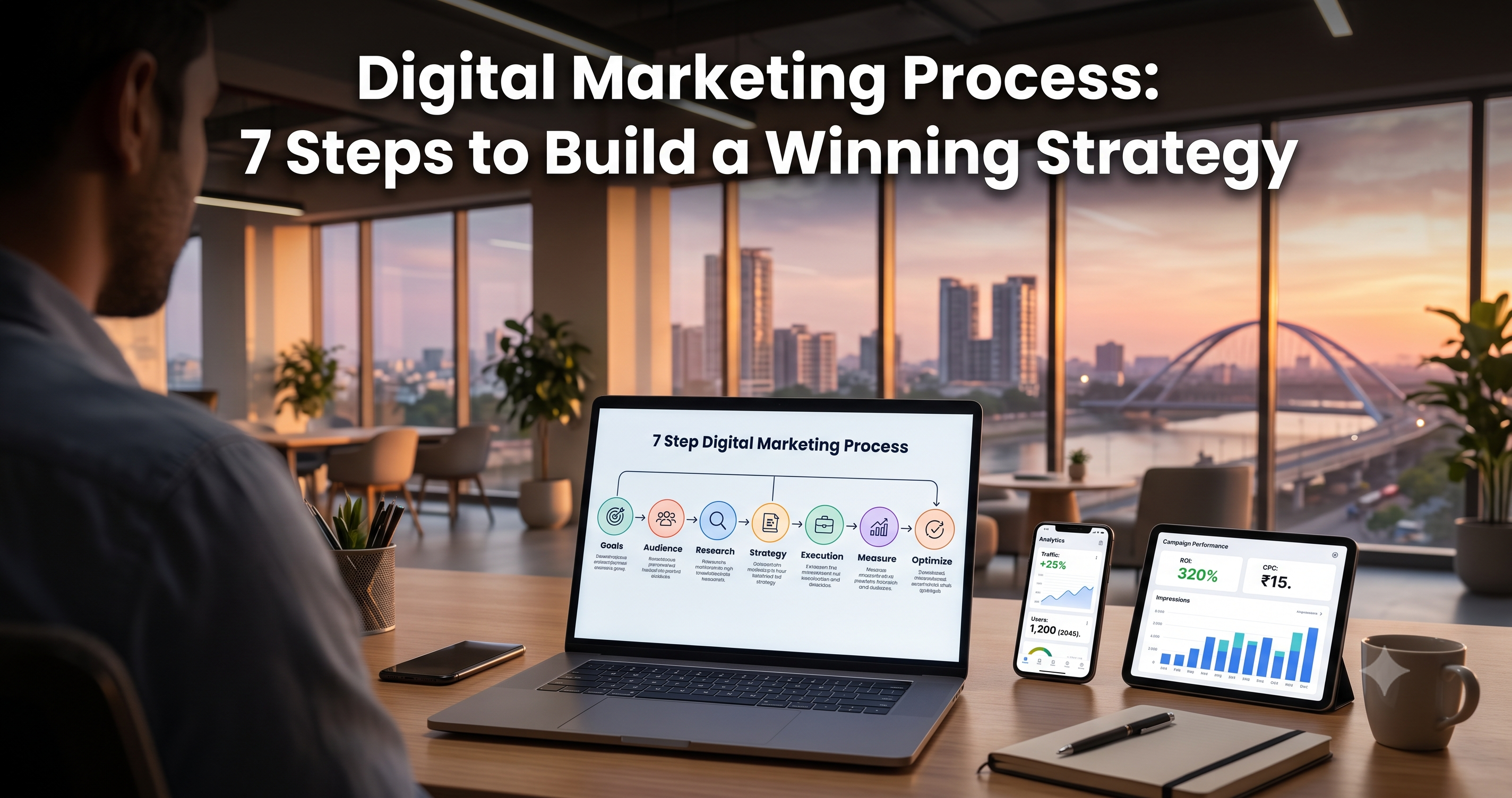
 The Step-by-Step Digital Marketing Process: How to Create a High-Performing Online Strategy (2026)
SEO StrategiesJuly 18, 2026
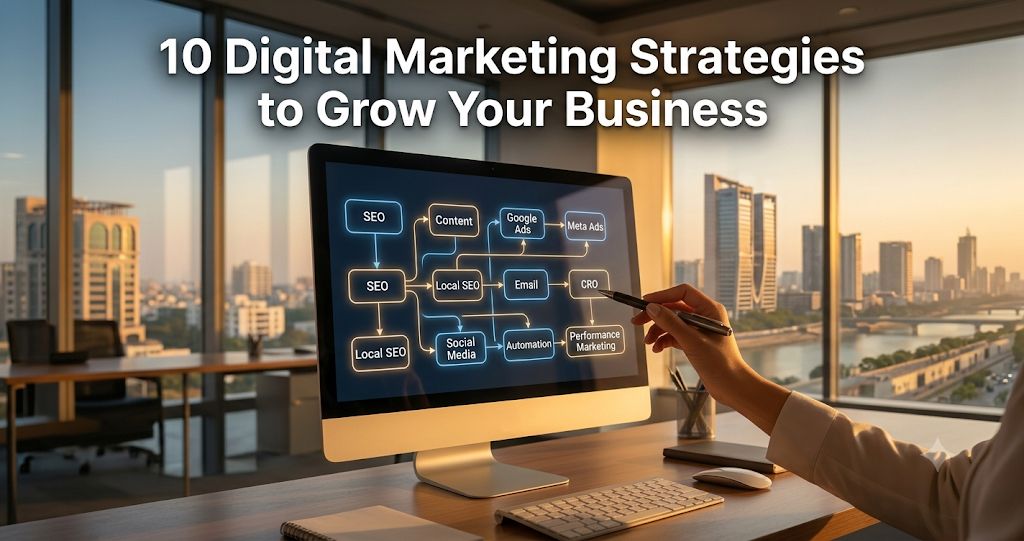
"Growing a business online requires more than running ads or posting regularly on social media. Effective digital marketing strategies connect business goals with customer behaviour."
– FT Nexavvy
| Factor | Digital Marketing Strategy | Digital Marketing Plan |
|---|---|---|
| Purpose | Defines direction | Defines execution |
| Main Question | What should we achieve and why? | How will we execute it? |
| Focus | Goals and positioning | Tasks and campaigns |
| Timeline | Medium to long term | Specific campaign period |
| Includes | Audience, channels, priorities | Calendar, budget, owners |
| Measurement | Strategic KPIs | Campaign metrics |
| Strategy | Primary Goal | Speed | Long-Term Value | Best Use |
|---|---|---|---|---|
| SEO | Organic visibility | Slow | High | Search demand |
| Content Marketing | Trust and authority | Medium | High | Education |
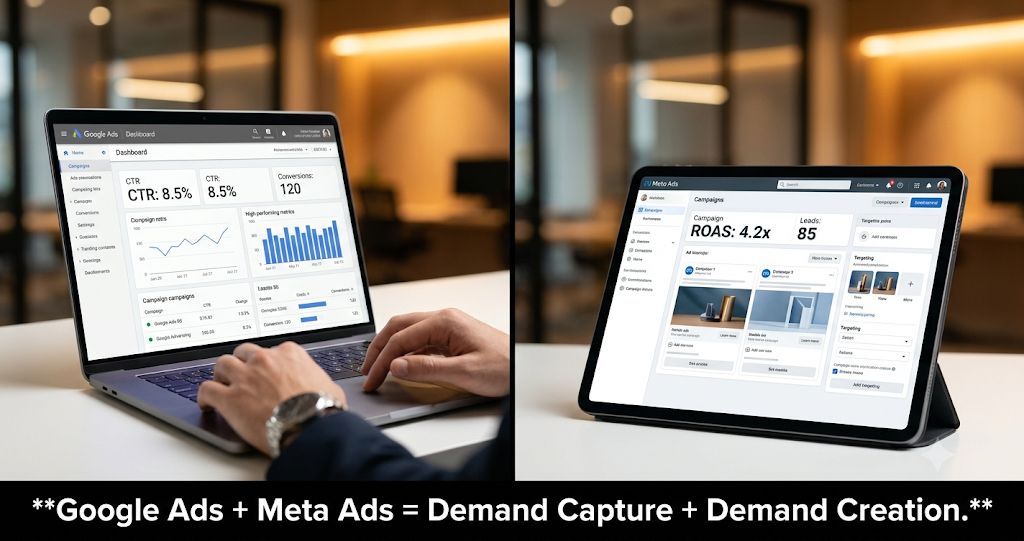
| Google Ads | Demand capture | Fast | Medium | High-intent searches |
| Meta Ads | Demand generation | Fast | Medium | Audience targeting |
| Local SEO | Geographic visibility | Medium | High | Local businesses |
| Social Media | Awareness | Medium | Medium | Engagement |
| Nurturing | Medium | High | Retention | |
| CRO | More conversions | Medium | High | Existing traffic |
| Automation | Efficiency | Medium | High | Lead nurturing |
| Performance Marketing | Measurable growth | Fast | Medium | Acquisition |
A digital marketing strategy is a structured approach for using online channels to achieve specific business and marketing goals.
Common strategies include SEO, content marketing, paid advertising, social media, email marketing, local SEO, performance marketing, and marketing automation.
There is no universal best strategy. The right approach depends on customer behaviour, business goals, budget, competition, and sales cycle.
Start by defining goals, understanding customers, mapping their journey, selecting channels, creating campaigns, setting up tracking, and continuously optimising performance.
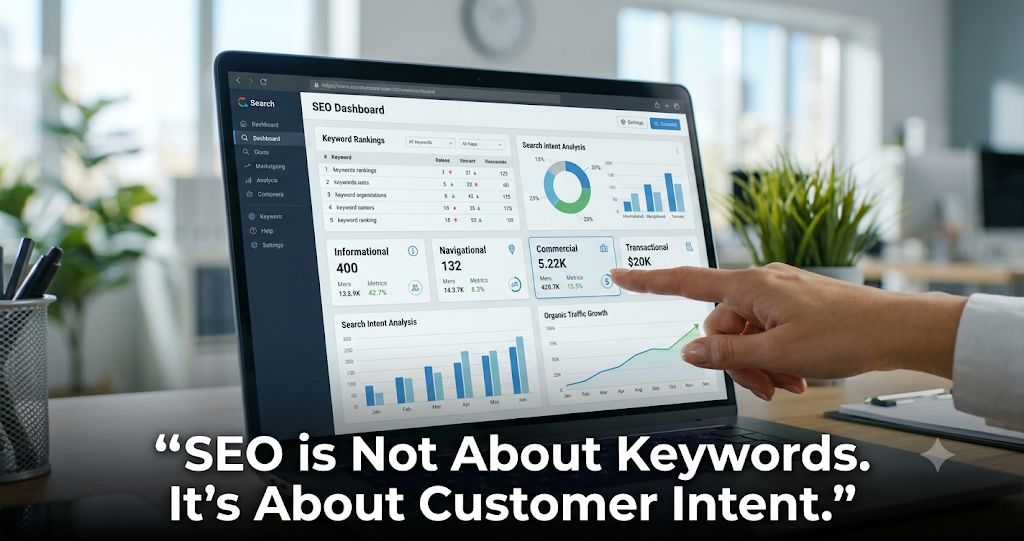
SEO helps businesses improve organic visibility when potential customers search for relevant information, products, or services.
Neither is universally better. Google Ads can provide faster visibility, while SEO can create long-term organic value. Many businesses use both.
Performance marketing focuses on measurable outcomes such as leads, sales, customer acquisition, and revenue.
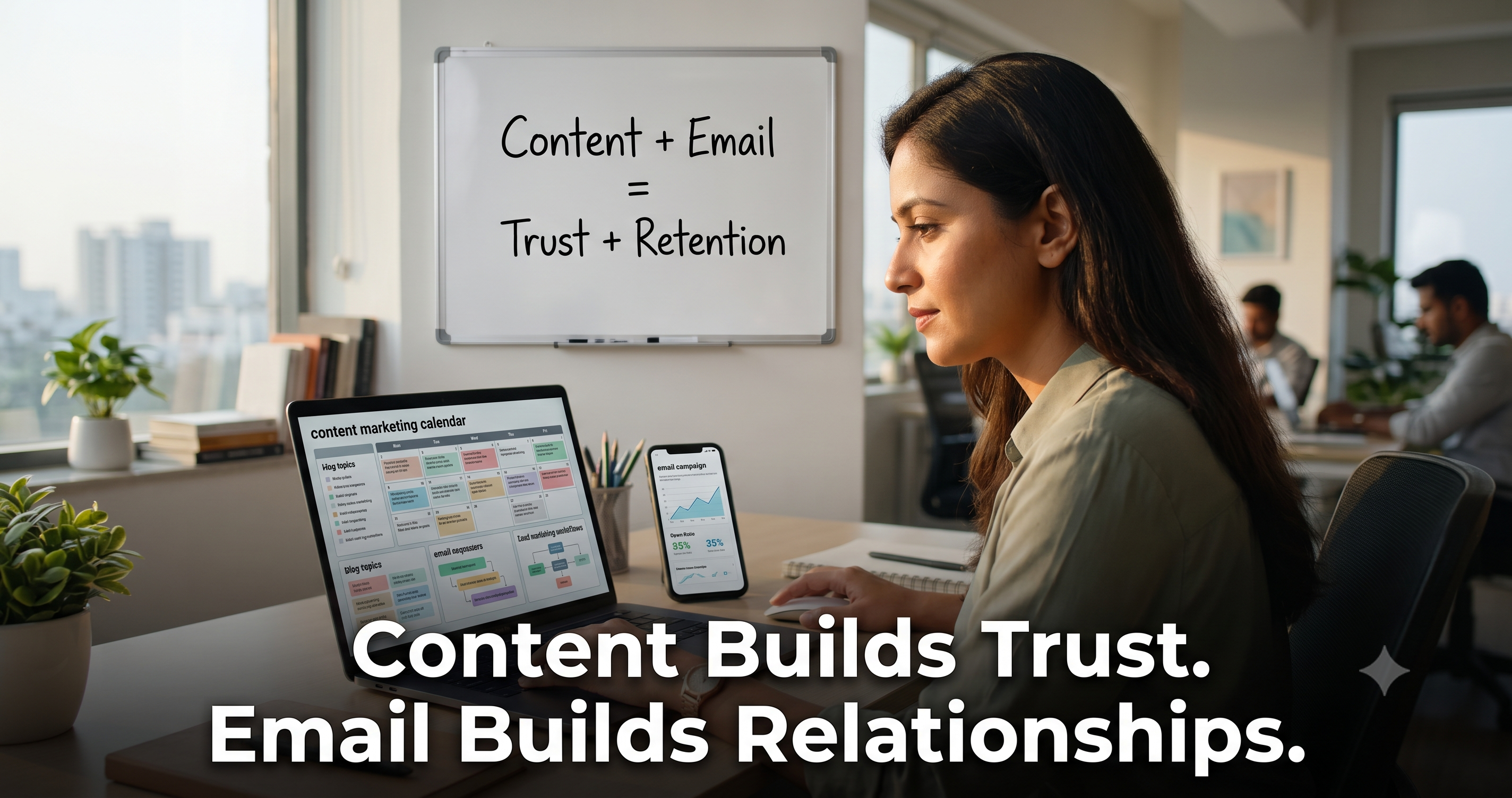
Content helps businesses answer customer questions, demonstrate expertise, support SEO, and guide prospects through their decision journey.
Local SEO improves visibility for searches connected to specific geographic areas and is particularly useful for location-based businesses.
Conversion rate optimization involves improving websites and landing pages to increase the percentage of visitors completing desired actions.
Marketing automation uses technology to manage repetitive marketing activities such as email sequences, follow-ups, and lead nurturing.
Small businesses should focus first on channels closest to customer demand and measurable business outcomes instead of trying every platform.
Budgets depend on industry, competition, goals, customer value, and growth stage. There is no fixed amount suitable for every business.
Timelines vary by channel. Paid campaigns can generate data quickly, while SEO and content marketing often require several months.
No. Results depend on market demand, competition, strategy, execution, pricing, customer experience, and other business factors.
Ready to Build Your Digital Growth System?
Read Related Articles:
Author

FT Nexavvy
FT Nexavvy editorial team.


ON THIS PAGE
The Step-by-Step Digital Marketing Process: How to Create a High-Performing Online Strategy (2026)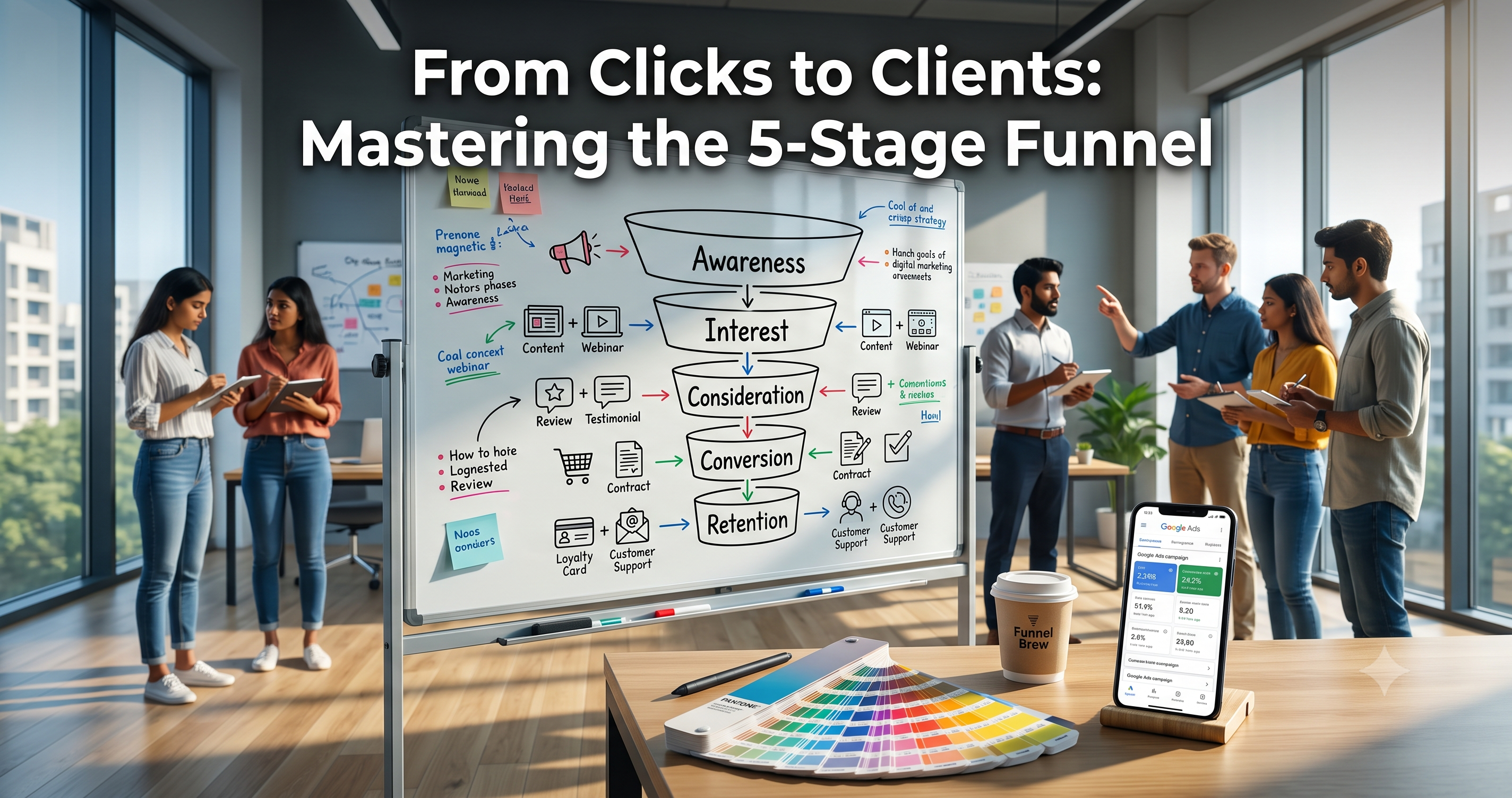 Digital Marketing Funnel: 5 Stages to Turn Visitors into Customers
Discuss Your
Digital Marketing Goals

NDA? Absolutely just ask.
We’ll respond in 24 hours fast & focused.
Work with senior UX experts, not juniors.
Schedule a call:
Mr Panchal
Founder & CEO
How can we help you?
Prefer email?
hello@ftnexavvy.com

DIGITAL MARKETING AGENCY IN AHMEDABAD

Working Hours
Monday – Saturday 9:00 am – 6:00 pm ( Sunday > Closed )
Services
Use Cases
Travel
Health & Fitness
Educations
News App
Food Order & Delivery App
Work inquiries
Interested in working with us?
hello@ftnexavvy.com
Call : +91 90303 48383
Ahmedabad Office:
A-531, Money Plant High Street,
Gota, Ahmedabad - 382470
Looking for a job opportunity?
See open positions
Sign up for the newsletter










Disclaimer
© 2025-2026 Nexavvy. All rights reserved.
